In a world brimming with cloud storage and multi-terabyte hard drives, you might wonder if a humble 16GB flash drive still has a place. The answer, from my decade of experience at SPVFD.com, is a resounding yes! A 16GB flash drive remains an incredibly versatile and cost-effective tool for countless everyday tasks, offering a perfect blend of portability, affordability, and sufficient capacity for specific needs. But with so many options out there, how do you pick the right one? This guide will walk you through everything you need to know, ensuring you make an informed decision and get the most out of your compact storage companion.
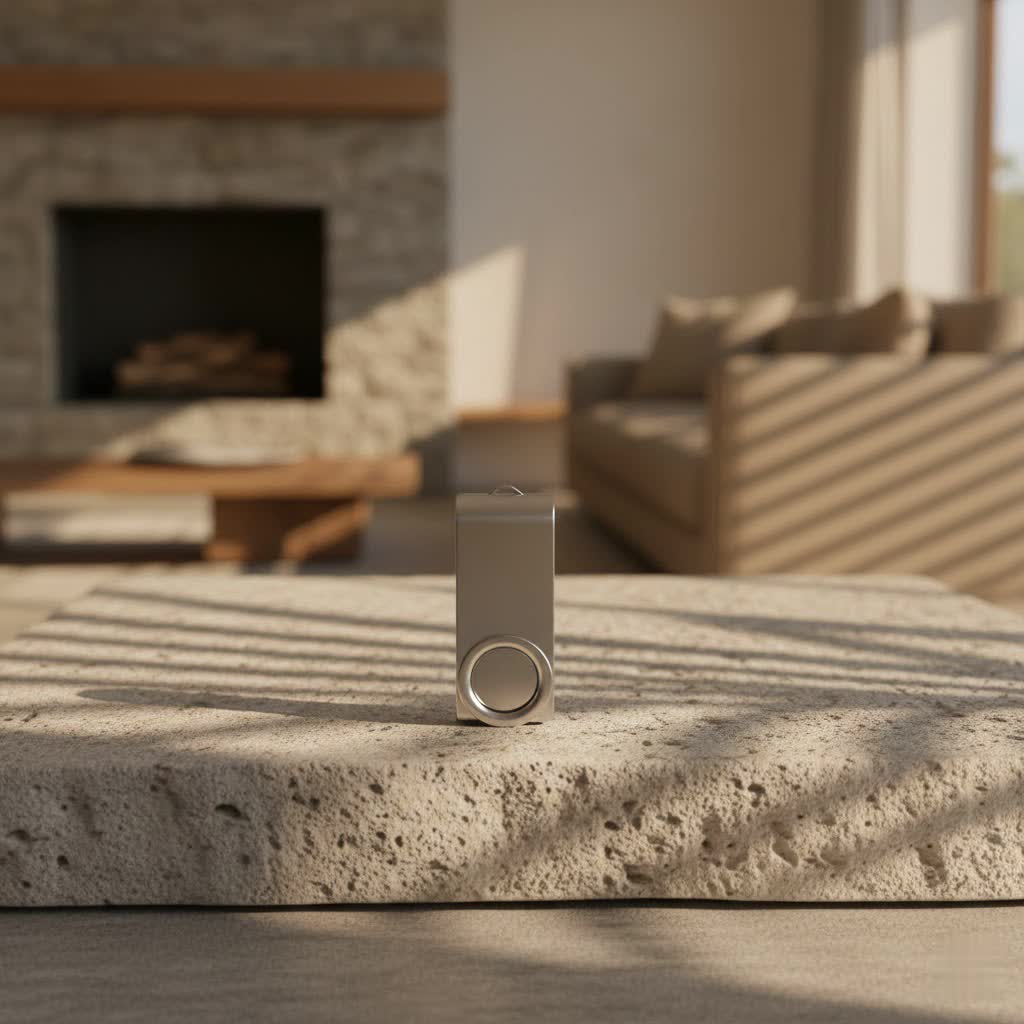
Understanding 16GB: Is It Enough for You?
When we talk about a 16GB flash drive, we’re referring to 16 gigabytes of storage capacity. To put that into perspective, it’s a surprisingly substantial amount of space for many common file types.
How much data can a 16GB flash drive hold?
A 16GB flash drive can typically store around 10,240 images (at 1.5MB each), 3,840 MP3 audio files (at 4MB each), over 300,000 pages of Word documents, or approximately 5,120 minutes of video (at 3MB per minute for standard definition). This makes it ideal for transferring presentations, sharing photo albums with family, carrying important documents, or creating bootable utility drives without breaking the bank. While it might not be your primary backup solution for an entire computer, it’s certainly more than capable for daily transfers and dedicated tasks.
The Need for Speed: USB 2.0 vs. USB 3.x for Your 16GB Drive
The interface your flash drive uses significantly impacts its performance. Understanding the differences between USB 2.0 and the various USB 3.x standards is crucial, even for a 16GB drive.
USB 2.0: The Classic Workhorse
|
Our Picks for the Best Flash Drive in 2026
As an Amazon Associate I earn from qualifying purchases.
|
||
| Num | Product | Action |
|---|---|---|
| 1 | Amazon Basics 128 GB Ultra Fast USB 3.1 Flash Drive, Black |

|
| 2 | USB Flash Drive 64GB, Techkey External Memory Photo Keeper Storage Stick for Picture/Video/Data Saver/Backup V2.30 High Speed Thumb/Jump/Hard Drives-Coal Black |
|
| 3 | SAMSUNG FIT Plus 3.1 USB Flash Drive, 128GB, 400MB/s, Plug In and Stay, Storage Expansion for Laptop, Tablet, Smart TV, Car Audio System, Gaming Console, MUF-128AB/AM,Gunmetal Gray |
|
| 4 | USB Flash Drive 64GB, Techkey External Memory Photo Keeper Storage Stick for Picture/Video/Data Saver/Backup V1.96 High Speed Thumb/Jump/Hard Drives-Lavender Blush |
|
| 5 | Amazon Basics 256 GB Ultra Fast USB 3.1 High Capacity Flash Drive for Data Transfer and Storage, Black |
|
| 6 | SanDisk 64GB 2-Pack Ultra USB 3.0 Flash Drive (2x64GB) - SDCZ48-064G-GAM462, Black |
|
| 7 | Amazon Basics USB Flash Drive, Thumb Drive Memory Stick with USB C and USB A Dual Ports, 128GB, Champagne Silver |
|
| 8 | SanDisk 256GB Ultra Flair USB 3.0 Flash Drive - SDCZ73-256G-G46, black |
|
| 9 | SANDISK 128GB Extreme Fit USB-C Flash Drive - Up to 400MB/s Read speeds, USB 3.2 Gen 1, USB Type-C - Plug-and-Stay Storage - Black - SDCZ530-128G-G46 |
|
| 10 | SanDisk 128GB Ultra Flair USB 3.0 Flash Drive - SDCZ73-128G-G46, black |
|
USB 2.0 has been around for a long time. It’s generally the most affordable option, and many 16GB drives still utilize this older standard. While perfectly adequate for smaller files or tasks where speed isn’t a critical factor, its transfer rates max out at a theoretical 480 Mbps (megabits per second), which translates to real-world speeds often around 10-15 MB/s (megabytes per second) for writing and 20-30 MB/s for reading. If you’re primarily moving documents or a few photos, a USB 2.0 drive will get the job done without much fuss.
USB 3.x: Stepping Up the Pace
USB 3.0 (now often referred to as USB 3.2 Gen 1), USB 3.1 (USB 3.2 Gen 2), and USB 3.2 (USB 3.2 Gen 2×2) represent significant leaps in speed.
What is the difference between USB 2.0 and USB 3.0 speeds?
The primary difference lies in their maximum theoretical transfer speeds: USB 3.0 offers up to 5 Gbps (gigabits per second), which is ten times faster than USB 2.0. Newer standards like USB 3.1 Gen 2 push this even further to 10 Gbps, and USB 3.2 Gen 2×2 reaches 20 Gbps. In practical terms, a 16GB USB 3.0 drive can achieve read speeds of 100-200 MB/s and write speeds of 20-70 MB/s, depending on the model and controller. This means less waiting when transferring larger batches of files like high-resolution photos or short video clips.
Does Speed Matter for 16GB?
For a 16GB flash drive, the answer depends heavily on your usage. If you’re just moving a few small documents, a USB 2.0 drive is perfectly fine. However, if you regularly transfer collections of photos, music, or small video files, a USB 3.x drive will save you considerable time and frustration. It’s also forward-compatible; a USB 3.x drive will work in a USB 2.0 port, albeit at USB 2.0 speeds. But if you upgrade your computer, your speedy 16GB drive will be ready to fly.
Beyond Storage: Creative Uses for Your 16GB Flash Drive
A 16GB flash drive isn’t just for dragging and dropping files. Its compact size and decent capacity open up a world of practical applications.
What are some cool uses for a 16GB USB drive?
Here are a few ways to turn your 16GB flash drive into a powerful utility tool:
- Bootable Operating System: Create a bootable Linux distribution (like Ubuntu or Mint) to run directly from the flash drive. This is fantastic for testing Linux, troubleshooting a problematic Windows installation, or even using a secure, private OS on public computers.
- Windows Installation Media: A 16GB drive is perfect for holding a Windows installer. This is invaluable for reinstalling your operating system or performing repairs.
- Emergency Toolkit: Load it with portable antivirus software, system diagnostic tools, data recovery utilities, and even a portable web browser. This can be a lifesaver when dealing with computer issues away from your primary setup.
- Portable Applications: Many software programs offer “portable” versions that run directly from a flash drive without installation. Carry your favorite photo editor, office suite, or security tools wherever you go.
- System Restore Point: You can create a system restore drive for your Windows PC, which can help you revert your system to an earlier, stable state if something goes wrong.
- ReadyBoost: For older Windows machines with limited RAM, ReadyBoost can use the flash drive’s memory to improve system performance. While less impactful on modern systems with ample RAM, it can still provide a slight boost in specific scenarios.
Key Features to Look for in a 16GB Flash Drive
While 16GB drives are generally budget-friendly, a few features can significantly enhance their utility and longevity.
- Durability: Look for drives with robust casing materials, like metal, which offer better protection against drops and impacts compared to flimsy plastic. Retractable connectors are also a plus, as they eliminate the risk of losing a cap and protect the USB plug.
- Security: For sensitive data, consider drives that offer built-in hardware encryption or come with optional software for password protection. This ensures your data remains secure even if the drive falls into the wrong hands.
- Design: Compact designs are excellent for portability, especially if you plan to keep the drive plugged into a laptop or in a small pocket. A lanyard hole is a simple yet effective feature to prevent loss.
- Compatibility: Most 16GB drives use the standard USB-A connector. However, with the rise of USB-C, dual-connector drives (USB-A and USB-C) offer maximum versatility for use with newer smartphones, tablets, and laptops.
- Reputable Brands: Brands like SanDisk, Lexar, Memorex, Kingston, and PNY are well-established in the flash drive market and often provide reliable products with decent warranties.
Maximizing the Life of Your 16GB Flash Drive
Even the most robust flash drives benefit from proper care. Following a few best practices can significantly extend the lifespan of your 16GB flash drive and protect your precious data.
- Safe Ejection: Always use the “Safely Remove Hardware” option before unplugging your flash drive. This ensures all write operations are complete and prevents data corruption. Pulling a drive out mid-transfer is like turning off your computer during a save – it rarely ends well!
- Avoid Physical Damage: Flash drives are durable, but they aren’t indestructible. Protect the connector from bending, keep the drive away from extreme temperatures and moisture, and avoid exposing it to strong electromagnetic fields.
- Understand Wear Leveling: Flash memory cells have a finite number of write/erase cycles. Good quality flash drives employ “wear leveling” techniques to distribute data writes evenly across all memory blocks, prolonging the drive’s life. While you don’t need to actively manage this, it’s why you shouldn’t constantly write and rewrite the same small file to the same spot on the drive.
- Data Retention: While flash drives are excellent for temporary storage and transfers, they aren’t ideal for long-term archiving without occasional use. Data on flash memory can degrade over very long periods (years) if not powered on periodically. For critical long-term archives, consider cloud storage or external hard drives in addition to your flash drive backups.
Expert Insight: A Word from SPVFD
“In today’s interconnected digital landscape, the 16GB flash drive might seem like a relic, but its enduring value lies in its focused utility and sheer affordability,” says Dr. Anya Sharma, Lead Flash Drive Engineer at SPVFD.com. “It’s not about replacing your cloud storage, but complementing it. Whether you’re a student needing to transfer a project, a professional carrying a critical presentation, or an IT enthusiast building a bootable toolkit, a well-chosen 16GB drive remains an indispensable asset. It’s about empowering users with tangible, reliable, and portable data control.”
Frequently Asked Questions
Are 16GB flash drives still relevant today?
Absolutely! While larger capacities are common, 16GB flash drives are still highly relevant for everyday tasks like transferring documents, sharing photos, creating bootable media, or carrying portable applications. Their low cost and portability make them a practical choice for specific needs.
How reliable is a 16GB flash drive for long-term storage?
Flash drives are generally reliable for short to medium-term storage and data transfer. However, for critical long-term archiving, other solutions like external hard drives or cloud storage are often recommended. Flash memory can experience data degradation over many years if not occasionally powered on.
Can I encrypt my 16GB flash drive?
Yes, many 16GB flash drives come with built-in encryption features, often managed by included software. You can also use operating system features like BitLocker (for Windows Pro editions) or third-party encryption tools to secure your data on any flash drive.
What’s the best brand for a 16GB flash drive?
Top brands known for reliability and performance include SanDisk, Lexar, Kingston, Memorex, and PNY. The “best” often depends on specific features you prioritize, such as speed, durability, or price.
Is it worth buying a USB 3.0 16GB drive if my computer only has USB 2.0 ports?
Yes, it’s still worth it! A USB 3.0 drive is backward compatible with USB 2.0 ports, meaning it will work perfectly fine, just at USB 2.0 speeds. This ensures that when you eventually upgrade to a computer with USB 3.0 (or newer) ports, your 16GB flash drive will be ready to deliver its full, faster performance.
The Enduring Value of the 16GB Flash Drive
As we’ve explored, the 16GB flash drive is far from obsolete. It continues to be an invaluable tool in our digital lives, proving that sometimes, less is indeed more – especially when it comes to focused utility and undeniable convenience. By understanding its capacity, leveraging modern USB interfaces, and exploring its many uses beyond simple file storage, you can truly unlock the power of this compact device. So go ahead, confidently choose your next 16GB flash drive, and empower your digital mobility. We’re always here at SPVFD.com to guide you through all your flash storage needs!
