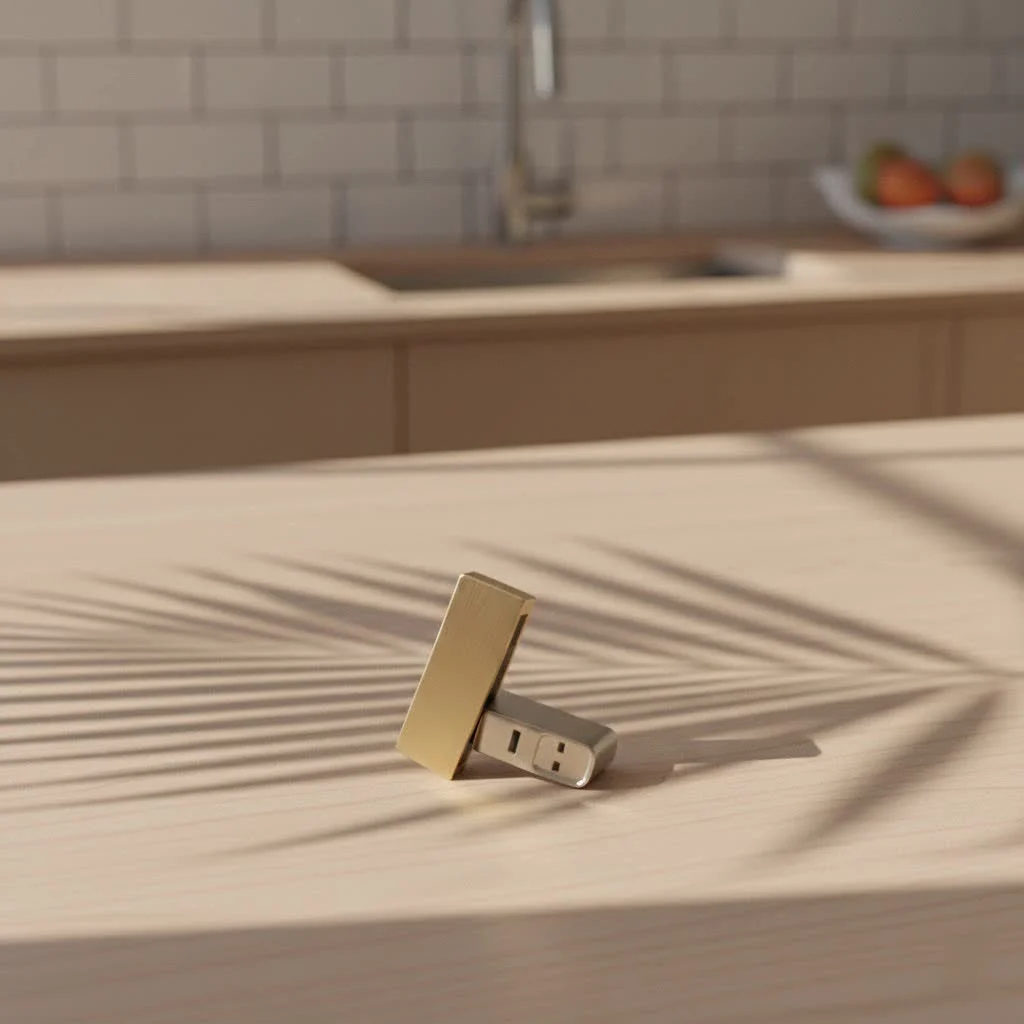
A 256GB flash drive is an ideal portable storage solution for most users, offering a balanced combination of ample capacity, portability, and cost-effectiveness. This storage size can comfortably hold tens of thousands of photos, hundreds of hours of video, or critical system backups, making it a versatile choice for digital nomads, creative professionals, and everyday users alike.
- What is a 256GB Flash Drive? A 256GB flash drive is a solid-state data storage device that uses flash memory to store data, providing 256 gigabytes of storage capacity. It’s a highly portable and convenient way to transfer and store digital files, connecting to devices via a USB interface.
- Why 256GB Hits the Sweet Spot:
- The Goldilocks Capacity: 256GB strikes an optimal balance, offering significantly more space than smaller drives (e.g., 64GB or 128GB) without the higher cost or potential overkill of larger capacities (e.g., 1TB). This makes it suitable for a wide range of uses, from document storage to multimedia collections.
- Ample Space for Everyday & Beyond: With 256GB, you can store approximately 64,000 photos (at 4MB each), 128 hours of 1080p video (at 2GB/hour), or over 250,000 typical document files. This capacity supports extensive personal and professional data needs.
- Navigating the Options: Key Features of a 256GB Flash Drive:
- The Need for Speed: USB Interface Standards:
- USB 2.0: This older standard offers speeds up to 480 Mbps, which is slow for large files but acceptable for small documents.
- USB 3.0 / 3.1 Gen 1: A common workhorse, providing speeds up to 5 Gbps, significantly faster than USB 2.0 and suitable for most daily tasks.
- USB 3.1 Gen 2 / 3.2 Gen 1/2: These are the speed demons, offering up to 10 Gbps or 20 Gbps respectively, ideal for transferring large media files like 4K video or system images quickly.
- Understanding Read and Write Speeds: Read speed dictates how fast data can be accessed from the drive, while write speed determines how quickly data can be saved to it. Both are crucial for real-world performance, especially with large files.
- Connecting with Confidence: USB Connector Types:
- USB-A: The classic rectangular connector, widely compatible with older computers and devices.
- USB-C: The modern,
Our Picks for the Best Flash Drive in 2026As an Amazon Associate I earn from qualifying purchases.
Num Product Action 1 SANDISK 128GB Extreme Fit USB-C Flash Drive - Up to 400MB/s Read speeds, USB 3.2 Gen 1, USB Type-C - Plug-and-Stay Storage - Black - SDCZ530-128G-G46 
2 USB Flash Drive 64GB, Techkey External Memory Photo Keeper Storage Stick for Picture/Video/Data Saver/Backup V1.96 High Speed Thumb/Jump/Hard Drives-Lavender Blush
3 Amazon Basics USB Flash Drive, Thumb Drive Memory Stick with USB C and USB A Dual Ports, 128GB, Champagne Silver
4 SanDisk 128GB Ultra Flair USB 3.0 Flash Drive - SDCZ73-128G-G46, black
5 SanDisk 256GB Ultra Flair USB 3.0 Flash Drive - SDCZ73-256G-G46, black
6 SanDisk 64GB 2-Pack Ultra USB 3.0 Flash Drive (2x64GB) - SDCZ48-064G-GAM462, Black
7 SAMSUNG FIT Plus 3.1 USB Flash Drive, 128GB, 400MB/s, Plug In and Stay, Storage Expansion for Laptop, Tablet, Smart TV, Car Audio System, Gaming Console, MUF-128AB/AM,Gunmetal Gray
8 USB Flash Drive 64GB, Techkey External Memory Photo Keeper Storage Stick for Picture/Video/Data Saver/Backup V2.30 High Speed Thumb/Jump/Hard Drives-Coal Black
9 Amazon Basics 256 GB Ultra Fast USB 3.1 High Capacity Flash Drive for Data Transfer and Storage, Black
10 Amazon Basics 128 GB Ultra Fast USB 3.1 Flash Drive, Black
reversible, and versatile connector, found on newer laptops, smartphones, and tablets, supporting faster data transfer and power delivery.
- Dual Connectors: Some drives feature both USB-A and USB-C, or USB-C and Lightning, allowing seamless connectivity across a broader range of devices, including mobile phones.
- Beyond the Basics: Durability and Security:
- Build Materials: Flash drives come in various materials, from basic plastic to robust metal casings. Designs include retractable connectors, protective caps, and ruggedized options for enhanced durability against drops and water.
- Data Protection: For sensitive data, consider drives with hardware encryption (e.g., Kanguru Defender, DataLocker) or password protection features to secure your files against unauthorized access.
- The Need for Speed: USB Interface Standards:
- Real-World Power: What You Can Do with a 256GB Flash Drive:
- Digital Nomad’s Best Friend: Store essential documents, presentations, and software for work on the go.
- Creative’s Companion: Carry high-resolution photos, 4K video clips, and project files for editing and sharing.
- Backup Buddy: Create secure backups of critical personal files, important documents, or even system images for disaster recovery.
- Entertainment Hub: Load movies, music, and e-books to enjoy on various devices without needing an internet connection.
- Expert Tips: Caring for Your 256GB Flash Drive:
- Always safely eject the drive from your computer to prevent data corruption.
- Protect it from physical harm, such as drops or excessive pressure.
- Avoid exposing the drive to extreme temperatures or moisture.
- Regularly back up the contents of your flash drive to another storage medium.
Frequently Asked Questions
Is a 256GB flash drive too big for simple document storage?
No, a 256GB flash drive is not too big for simple document storage, though it offers significantly more capacity than needed for just documents. It can store hundreds of thousands of typical document files, providing ample room for future expansion with photos, videos, or software.
Can I boot an operating system from a 256GB flash drive?
Yes, you can boot an operating system from a 256GB flash drive. This capacity is sufficient for installing a full operating system like Windows or Linux, making it useful for portable OS environments or system recovery tools. Ensure the drive has adequate read/write speeds for optimal performance.
What's the best file system for a 256GB flash drive?
The best file system for a 256GB flash drive depends on its intended use. For maximum compatibility across Windows, macOS, and Linux, exFAT is generally recommended as it supports large file sizes and partitions. If primarily used with Windows, NTFS offers better security and journaling features.
Do all 256GB flash drives work with older USB ports?
Most 256GB flash drives are backward compatible and will work with older USB 2.0 ports, but they will operate at the slower USB 2.0 speeds (up to 480 Mbps). To achieve the advertised higher speeds (e.g., 5 Gbps or 10 Gbps), you need to connect them to a compatible USB 3.0 or newer port.
How can I tell the actual speed of my 256GB flash drive?
You can determine the actual speed of your 256GB flash drive by using benchmarking software like CrystalDiskMark for Windows or Blackmagic Disk Speed Test for macOS. These tools measure the sequential and random read/write speeds, providing concrete numbers for performance evaluation.
Get our weekly buyer guide
Practical specs, not advice. Unsubscribe anytime.

As a digital nomad, portability is key, and this 256GB flash drive is exactly what I needed. I can store hundreds of hours of video and all my essential documents without any issues. It connects easily via USB and has been reliable for all my travels. Definitely a versatile choice for anyone who works remotely.
This 256GB flash drive is a game-changer for my photography work. I used to juggle multiple smaller drives, but now I can keep entire shoots on one device. The speed is decent for transferring large batches of photos, and it’s definitely more cost-effective than buying several smaller ones. Great for creative professionals on the go.
I picked up a 256GB flash drive after reading about how it’s the ‘Goldilocks capacity,’ and I totally agree! It’s perfect for my needs as a student. I can keep all my project files, presentations, and even some lecture recordings on it without worrying about running out of space. It’s super convenient for moving files between my laptop and the school computers.
I got a 256GB drive for system backups, and while the capacity is great, I found the physical design a bit flimsy. It feels like it could break if I’m not careful, which is a concern for something I rely on for critical data. It gets the job done, but I wish the build quality was a bit more robust.