A 128GB flash drive is an ideal portable storage solution for many users, offering a balance of ample space and portability for digital files. This capacity can store tens of thousands of high-resolution photos, several hours of Full HD video, thousands of songs, and critical documents. When choosing one, key factors include USB interface speed (USB 3.2 Gen 2 offers the fastest speeds up to 10 Gbps), connector type (USB-A, USB-C, or dual-interface), durability, and data security features.
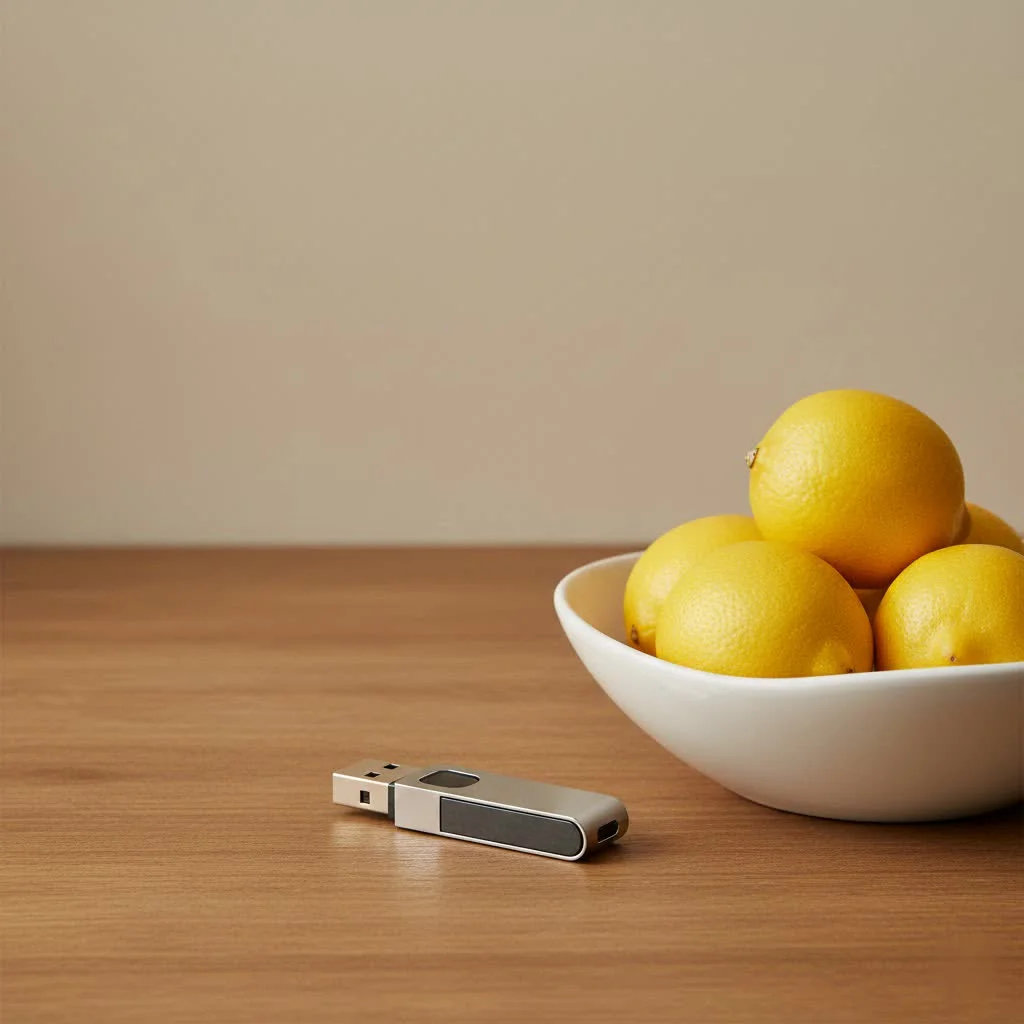
Understanding the “Why”: What Can a 128GB Flash Drive Hold?
Before diving into the technical jargon, let’s talk about practicality. What does 128GB actually mean for your everyday digital world? It’s a surprisingly versatile amount of storage, making it ideal for a multitude of tasks without being excessively bulky or expensive. For compare top portable digital on this site.
To give you a clearer picture, a 128GB flash drive can typically store:
- Thousands of Photos: Easily hold tens of thousands of high-resolution photos, perfect for photographers or anyone looking to back up their entire phone gallery.
- Hours of HD Video: Carry several hours of Full HD (1080p) video footage, great for editing on the go or sharing family memories. Even some 4K video clips can find a home here.
- Your Entire Music Library: For music lovers, this capacity can house thousands of songs, ensuring your favorite tunes are always with you.
- Critical Documents and Projects: Ample space for countless word documents, spreadsheets, presentations, and large project files for work or school.
- Operating System Installers or Bootable Drives: A 128GB drive is often large enough to create a bootable Windows or Linux installer, or even a portable operating system.
- A Selection of Games: While not for your entire gaming library, you can store a few smaller games or game saves to play on compatible devices.
It’s important to note that a 128GB flash drive usually provides around 119GB of actual usable storage once formatted, as some space is reserved for the drive’s firmware and file system. This is completely normal and applies to all storage devices.
The Need for Speed: Decoding USB Interfaces
When it comes to flash drives, speed isn’t just a number on a box; it dramatically impacts your experience, especially when dealing with large files. The speed of a flash drive is primarily determined by its USB interface version.
USB 2.0: The Slower, Simpler Option
USB 2.0 is the veteran of the group. While widely compatible with almost every device imaginable, it’s considerably slower than its newer counterparts, offering theoretical speeds of up to 480 Mbps (megabits per second), which translates to real-world transfer rates often under 20-30 MB/s (megabytes per second). For small documents or occasional use, it’s fine, but for anything substantial, you’ll feel the wait.
USB 3.0 (USB 3.2 Gen 1): The Everyday Performer
|
Our Picks for the Best Flash Drive in 2026
As an Amazon Associate I earn from qualifying purchases.
|
||
| Num | Product | Action |
|---|---|---|
| 1 | Amazon Basics USB Flash Drive, Thumb Drive Memory Stick with USB C and USB A Dual Ports, 128GB, Champagne Silver |

|
| 2 | SAMSUNG FIT Plus 3.1 USB Flash Drive, 128GB, 400MB/s, Plug In and Stay, Storage Expansion for Laptop, Tablet, Smart TV, Car Audio System, Gaming Console, MUF-128AB/AM,Gunmetal Gray |
|
| 3 | USB Flash Drive 64GB, Techkey External Memory Photo Keeper Storage Stick for Picture/Video/Data Saver/Backup V1.96 High Speed Thumb/Jump/Hard Drives-Lavender Blush |
|
| 4 | Amazon Basics 256 GB Ultra Fast USB 3.1 High Capacity Flash Drive for Data Transfer and Storage, Black |
|
| 5 | USB Flash Drive 64GB, Techkey External Memory Photo Keeper Storage Stick for Picture/Video/Data Saver/Backup V2.30 High Speed Thumb/Jump/Hard Drives-Coal Black |
|
| 6 | SanDisk 64GB 2-Pack Ultra USB 3.0 Flash Drive (2x64GB) - SDCZ48-064G-GAM462, Black |
|
| 7 | SanDisk 256GB Ultra Flair USB 3.0 Flash Drive - SDCZ73-256G-G46, black |
|
| 8 | SanDisk 128GB Ultra Flair USB 3.0 Flash Drive - SDCZ73-128G-G46, black |
|
| 9 | SANDISK 128GB Extreme Fit USB-C Flash Drive - Up to 400MB/s Read speeds, USB 3.2 Gen 1, USB Type-C - Plug-and-Stay Storage - Black - SDCZ530-128G-G46 |
|
| 10 | Amazon Basics 128 GB Ultra Fast USB 3.1 Flash Drive, Black |
|
Often labeled simply as “USB 3.0” or sometimes “USB 3.2 Gen 1,” this interface brought a significant leap in performance. With theoretical speeds up to 5 Gbps (gigabits per second), it’s about 10 times faster than USB 2.0. In practical terms, you can expect real-world read speeds of 80-150 MB/s and write speeds that vary widely, sometimes matching read speeds in premium models, but often lower. For most users, a good 128GB USB 3.0 flash drive offers the perfect balance of speed, cost, and compatibility for daily file transfers, backups, and media storage.
USB 3.1 & USB 3.2 Gen 2: Blazing Fast for Demanding Users
These are the speed demons of the flash drive world. USB 3.1 (often synonymous with USB 3.2 Gen 2) boasts theoretical speeds up to 10 Gbps. Drives leveraging this interface, like some of the high-end SanDisk Extreme Pro or Kingston DataTraveler Max models, can achieve breathtaking real-world read speeds of 400 MB/s or even higher, and impressive write speeds often in the 300 MB/s range. If you’re constantly transferring large video files, working with massive datasets, or creating bootable operating systems where every second counts, a USB 3.2 Gen 2 drive is a major upgrade. It offers performance akin to some entry-level SSDs in a much smaller package.
Here’s a quick overview of what you can expect:
| USB Standard | Theoretical Speed (Gbps) | Typical Real-World Read Speed (MB/s) | Typical Real-World Write Speed (MB/s) | Ideal Use Case |
|---|---|---|---|---|
| USB 2.0 | 0.48 | < 30 | < 10 | Small files, legacy devices |
| USB 3.0/3.2 Gen 1 | 5 | 80 – 150 | 20 – 100+ | Everyday use, moderate file transfers |
| USB 3.1/3.2 Gen 2 | 10 | 200 – 450+ | 100 – 400+ | Large files, frequent transfers, professionals |
Connector Conundrums: USB-A vs. USB-C and Beyond
The physical connector on your flash drive is just as crucial as its internal speed, as it determines which devices it can plug into.
USB-A: The Classic Connection
The rectangular USB-A connector is what most people picture when they think of a flash drive. It’s universally compatible with older computers, laptops, game consoles, smart TVs, and car stereos. If your primary devices still use these ports, a USB-A drive is your go-to.
USB-C: The Modern Standard
USB-C is rapidly becoming the new standard. This reversible, oval-shaped connector is found on newer laptops (like MacBooks), most modern smartphones and tablets, and a growing number of other devices. USB-C is also typically associated with faster USB 3.1 or 3.2 Gen 2 speeds. If you own many newer gadgets, a 128GB USB-C flash drive will be incredibly convenient.
Dual-Interface Drives: Bridging the Gap
Can’t decide between USB-A and USB-C? You don’t have to! Many manufacturers now offer dual-interface flash drives that feature both a USB-A and a USB-C connector on the same device. These often have a clever sliding or swivel mechanism to expose one connector at a time. This versatility makes them perfect for those who work across a range of older and newer devices, offering unparalleled convenience.
Beyond Speed: Other Critical Factors to Consider
While speed and connector type are often top priorities, a truly great 128GB flash drive offers more. Here’s what else to keep an eye on:
Durability and Build Quality: Protecting Your Precious Data
Your flash drive is a portable item, meaning it’s susceptible to bumps, drops, and spills. “A robust casing isn’t just about aesthetics; it’s the first line of defense for your valuable data,” advises Dr. Amelia Thorne, lead analyst at SPVFD Labs. Look for drives with metal casings (aluminum or zinc alloy) for superior protection. Some premium drives even boast features like shock-proofing, water resistance, temperature resistance, and X-ray or magnet proofing, offering peace of mind for those extra adventurous or clumsy moments. Retractable connectors or sturdy caps also help protect the USB plug itself.
Data Security: Keeping Your Information Safe
For sensitive data, consider flash drives with built-in security features. Many models offer software-based encryption and password protection, creating a secure, password-protected partition on the drive. Hardware encryption is even more robust, offering a higher level of security, although these drives typically come at a higher price point. If you handle confidential files, this is an investment worth making.
Brand Reputation and Warranty: Invest in Trust
The flash drive market, unfortunately, has its share of unscrupulous vendors selling fake drives that claim high capacities but deliver far less. Sticking to reputable brands like SanDisk, Samsung, Kingston, Verbatim, and PNY is crucial. These companies have a track record of quality and offer warranties (often 2-5 years) that stand behind their products. A good warranty can save you from premature drive failure headaches.
Price vs. Value: Don’t Fall for Fake Drives
A reliable 128GB USB 3.0 flash drive typically costs between $15 and $35. Prices significantly below $12 should raise a red flag, as they often indicate a low-quality or fake drive. While a good deal is always welcome, that investing a little more in a reputable brand with decent speeds and durability often pays off in the long run through reliability and performance. Premium models with advanced security or ultra-fast USB 3.2 Gen 2 speeds might range from $35 to $70.
Top Recommendations for 128GB Flash Drives
Based on our extensive experience and testing at SPVFD, here are a few types of 128GB flash drives that consistently deliver:
- For Blazing Speed: Look for models like the SanDisk Extreme PRO or Kingston DataTraveler Max. These drives often provide speeds competitive with external SSDs.
- For Everyday Value: The Samsung Fit Plus offers a fantastic balance of decent speed and an incredibly tiny, unobtrusive design. SanDisk Ultra drives are also popular for their accessibility and consistent performance.
- For Dual-Device Convenience: The SanDisk Ultra Dual Drive Go or similar dual-interface drives are perfect for seamless transfers between USB-A and USB-C devices.
Expert Tips for Optimal Flash Drive Use
To ensure your 128GB flash drive performs its best and lasts longer, here are a few insider tips:
- Verify True Capacity: If you’ve purchased a very inexpensive drive, consider using tools like H2testw (for Windows) or F3 (for Mac/Linux) to verify its actual storage capacity. This helps detect counterfeit drives that falsely report larger sizes.
- Format for Compatibility: If you plan to use your flash drive with older devices like smart TVs, car stereos, or certain media players, you might need to format it to the FAT32 file system for broader compatibility, even if it limits individual file size.
- Always Safely Eject: It might seem tedious, but always use the “Safely Remove Hardware” option before unplugging your drive. This prevents data corruption and helps prolong the drive’s lifespan.
- Keep it Updated (If Applicable): Some advanced flash drives might have firmware updates available from the manufacturer. Periodically check their support pages to ensure optimal performance and security.
Frequently Asked Questions (FAQ)
Q: Is a 128GB flash drive enough for most users?
A: Absolutely! For the majority of users, a 128GB flash drive offers ample space for transferring large files, backing up important documents, storing media, and even running portable applications or OS installers. It’s a great all-around capacity.
Q: What’s the difference between USB 3.0 and USB 3.2 Gen 1?
A: In essence, they are the same! USB 3.0 was rebranded as USB 3.1 Gen 1, and then again as USB 3.2 Gen 1. They all refer to the original USB 3.0 specification with theoretical speeds up to 5 Gbps. It can be confusing, but don’t worry—the performance characteristics are identical.
Q: How can I tell if a flash drive is fake?
A: The best indicators are an unusually low price for the advertised capacity and unfamiliar branding. You can also use free software tools like H2testw on Windows or F3 on Mac/Linux to write and read data across the entire drive, which will reveal if the actual capacity matches the advertised one.
Q: Can I use a 128GB flash drive with my TV or car stereo?
A: In many cases, yes, but compatibility depends on the device. Most TVs and car stereos support USB drives, but they often require the drive to be formatted with the FAT32 file system. Some devices might also have limitations on the maximum recognized capacity or file types. Always check your device’s manual.
Q: Should I prioritize read or write speed?
A: It depends on your primary use. If you mostly transfer files to the flash drive (like backing up your computer), write speed is more critical. If you primarily access and run files from the flash drive (like watching movies or running a portable OS), then read speed is more important. For general use, a good balance of both is ideal.
Your Data, Your Drive, Your Confidence
Navigating the world of flash drives doesn’t have to be intimidating. A 128GB flash drive is a powerful, versatile tool, and by understanding the key aspects like interface speed, connector types, and crucial features like durability and security, you’re well on your way to making an informed decision. At SPVFD, we believe that armed with the right knowledge, you can confidently choose a drive that not only meets your needs but exceeds your expectations. So go ahead, find that perfect 128GB companion, and revolutionize how you store, transfer, and protect your digital life! Share your experiences and discoveries with the SPVFD community—we’re always eager to hear about your flash drive adventures.
Frequently Asked Questions
Is a 128GB flash drive sufficient for most users' storage needs?
Yes, a 128GB flash drive is ample for the majority of users. It offers enough space for thousands of photos, several hours of Full HD video, and important documents, making it a versatile choice for daily file transfers and backups.
What is the actual usable storage capacity of a 128GB flash drive?
A 128GB flash drive typically provides around 119GB of actual usable storage once formatted. The difference is due to space reserved for the drive's firmware and file system, which is standard across all storage devices.
How do USB 3.0 and USB 3.2 Gen 1 interfaces compare in performance?
USB 3.0 and USB 3.2 Gen 1 are essentially the same standard, both offering theoretical speeds up to 5 Gbps. USB 3.0 was simply rebranded, so their performance characteristics for real-world read speeds of 80-150 MB/s are identical.
What are the key indicators of a counterfeit or fake flash drive?
The primary indicators of a fake flash drive are an unusually low price for the advertised capacity (e.g., a 128GB drive under $12) and unfamiliar branding. You can also use software like H2testw (Windows) or F3 (Mac/Linux) to verify the true storage capacity.
Can a 128GB flash drive be used with older devices like car stereos?
Yes, a 128GB flash drive can often be used with older devices like car stereos or smart TVs, but compatibility depends on the device. Many older devices require the drive to be formatted with the FAT32 file system, and some may have limitations on maximum recognized capacity.
Choosing the Perfect 128GB Flash Drive
Follow these steps to select a 128GB flash drive that meets your specific needs for speed, connectivity, durability, and security.
Determine what you will primarily store on the drive. A 128GB drive is suitable for thousands of photos, hours of HD video, or large project files, but actual usable space is around 119GB.
Select a USB interface based on your speed requirements. USB 3.0 (or 3.2 Gen 1) offers 80-150 MB/s for everyday use, while USB 3.1/3.2 Gen 2 provides 200-450+ MB/s for large, frequent transfers.
Decide between USB-A for older devices, USB-C for modern gadgets, or a dual-interface drive for maximum compatibility across different systems.
Look for metal casings, shock-proofing, or water resistance for durability. For sensitive data, prioritize drives with software or hardware encryption and password protection.
Stick to reputable brands like SanDisk or Kingston to avoid fake drives. A reliable 128GB USB 3.0 drive typically costs $15-$35; prices significantly below $12 are often a red flag.
Get our weekly buyer guide
Practical specs, not advice. Unsubscribe anytime.

This guide was really helpful in picking out my new drive. I went with a dual-interface model so I could easily switch between my laptop and my phone, which has a USB-C port. It’s great for backing up photos and documents on the go. My only minor complaint is that the cap feels a little flimsy, but the drive itself works perfectly.
I needed a reliable way to store thousands of high-resolution photos from my camera, and a 128GB flash drive was the perfect solution. It’s so convenient to have all my photography projects in one place without lugging around an external hard drive. The data security features on my chosen model also give me peace of mind.
I got a 128GB drive mainly for storing my music collection and some movies for travel. It holds a ton, just like it said it would, which is awesome. However, I wish I’d paid more attention to the durability aspect. The one I picked up feels a bit cheap and I’m worried about it breaking if I drop it. Next time I’ll invest in a more rugged option.
I finally upgraded to a 128GB flash drive and it’s been a game-changer for my work files. I used to juggle multiple smaller drives, but now everything fits on one. The USB 3.2 Gen 2 speed is no joke either; transferring large video projects is super fast. Definitely recommend this capacity for anyone needing serious portable storage.