In an era where digital files seem to grow exponentially and cloud storage dominates conversations, it’s easy to overlook the humble 8gb Flash Drive. But don’t let its modest capacity fool you; the 8GB flash drive remains a remarkably versatile and cost-effective tool for countless everyday tasks. From quick file transfers between computers to creating bootable recovery media, this little powerhouse proves that sometimes, less is indeed more. At SPVFD.com, we believe understanding the nuances of even the smallest storage solutions is key to smart data management, and the 8GB drive definitely has its place.
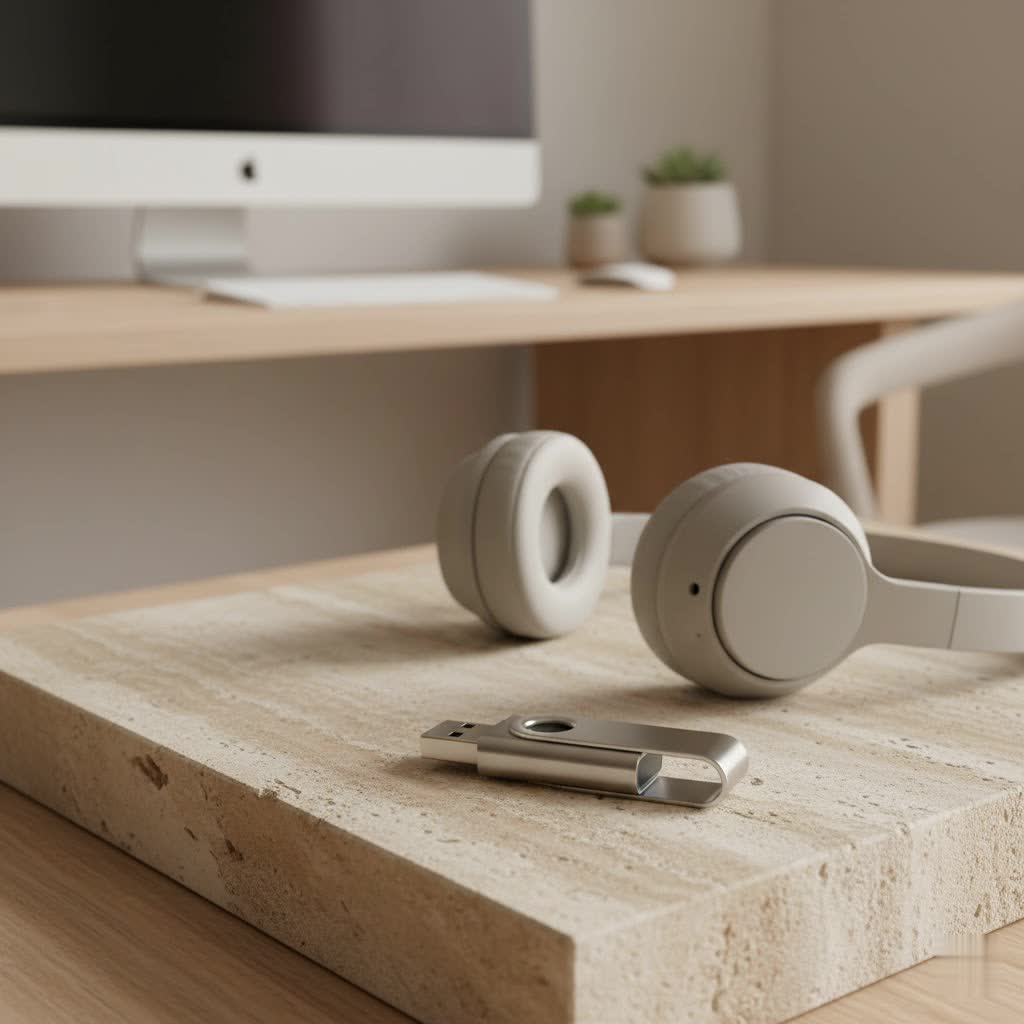
What Exactly Can You Store on an 8GB Flash Drive?
While it won’t hold your entire movie collection, an 8GB flash drive offers substantial space for specific needs. Think of it as a digital utility knife, perfect for carrying essential tools and frequently accessed files without the bulk.
Documents and Presentations
|
Our Picks for the Best Flash Drive in 2026
As an Amazon Associate I earn from qualifying purchases.
|
||
| Num | Product | Action |
|---|---|---|
| 1 | SanDisk 64GB 2-Pack Ultra USB 3.0 Flash Drive (2x64GB) - SDCZ48-064G-GAM462, Black |

|
| 2 | SANDISK 128GB Extreme Fit USB-C Flash Drive - Up to 400MB/s Read speeds, USB 3.2 Gen 1, USB Type-C - Plug-and-Stay Storage - Black - SDCZ530-128G-G46 |
|
| 3 | Amazon Basics 128 GB Ultra Fast USB 3.1 Flash Drive, Black |
|
| 4 | USB Flash Drive 64GB, Techkey External Memory Photo Keeper Storage Stick for Picture/Video/Data Saver/Backup V1.96 High Speed Thumb/Jump/Hard Drives-Lavender Blush |
|
| 5 | Amazon Basics USB Flash Drive, Thumb Drive Memory Stick with USB C and USB A Dual Ports, 128GB, Champagne Silver |
|
| 6 | SanDisk 128GB Ultra Flair USB 3.0 Flash Drive - SDCZ73-128G-G46, black |
|
| 7 | SanDisk 256GB Ultra Flair USB 3.0 Flash Drive - SDCZ73-256G-G46, black |
|
| 8 | Amazon Basics 256 GB Ultra Fast USB 3.1 High Capacity Flash Drive for Data Transfer and Storage, Black |
|
| 9 | SAMSUNG FIT Plus 3.1 USB Flash Drive, 128GB, 400MB/s, Plug In and Stay, Storage Expansion for Laptop, Tablet, Smart TV, Car Audio System, Gaming Console, MUF-128AB/AM,Gunmetal Gray |
|
| 10 | USB Flash Drive 64GB, Techkey External Memory Photo Keeper Storage Stick for Picture/Video/Data Saver/Backup V2.30 High Speed Thumb/Jump/Hard Drives-Coal Black |
|
For professionals and students alike, an 8GB drive is ideal for storing thousands of documents. A typical Word document is only a few hundred kilobytes, meaning you could fit tens of thousands of them. Even large PowerPoint presentations, often packed with images and media, usually come in at under 50MB, so you can easily store dozens of comprehensive presentations. This makes it perfect for transporting work between office and home, or for presenting on the go without relying on internet access.
Photos and Videos
If you’re managing a small collection of photos or short video clips, an 8GB flash drive can handle it. Depending on the resolution, an 8GB drive can store around 2,000 to 4,000 high-resolution JPEG photos. For video, this might translate to roughly 30 minutes to an hour of standard definition video or a few minutes of high-definition footage. It’s excellent for sharing family photos with relatives or backing up a select album from your phone.
Software and Bootable Drives
One of the most valuable uses for an 8GB flash drive is creating bootable media. Need to install an operating system like a lightweight Linux distribution or Windows installation media? An 8GB drive is often the perfect size. It can also house essential recovery tools, antivirus software, or even portable applications, allowing you to carry your favorite utilities wherever you go. “Even in an age of terabyte drives, a well-chosen 8GB flash drive remains the unsung hero for quick file swaps and specialized tasks,” says Dr. Evelyn Thorne, a leading data storage architect at SPVFD Labs.
Why Choose an 8GB Flash Drive Today?
With larger capacities becoming more affordable, you might wonder why an 8GB flash drive is still a smart choice. The answer lies in its specific advantages that larger drives often can’t match.
Cost-Effectiveness and Portability
An 8GB flash drive is incredibly inexpensive, making it an excellent option for bulk purchases for classrooms, marketing giveaways, or simply having a few spares on hand. Their small physical size, often no bigger than your thumb, means they’re incredibly portable. You can toss one in your pocket, attach it to your keychain, or keep it in your wallet without any noticeable weight or bulk. This makes it a perfect grab-and-go solution for small but important data.
Simplicity and Security for Sensitive Data
For highly sensitive data, sometimes less capacity means greater control. An 8GB drive encourages you to be selective about what you store, reducing the risk of carrying unnecessary sensitive information. Furthermore, its simplicity makes it less prone to overfilling with junk, keeping it dedicated to its intended purpose. Many users also find that an 8GB drive is an ideal size for encrypted backups of critical documents, offering a physical layer of security that cloud services can’t provide on their own.
Navigating the Technical Specs: Speed, Interface, and Durability
While 8GB might be the capacity, understanding the underlying technology ensures you get the most out of your drive.
USB 2.0 vs. 3.0 vs. 3.1: Does it Matter for 8GB?
Absolutely! The interface type significantly impacts performance, even for an 8GB drive.
- USB 2.0: These drives offer speeds up to 480 Mbps (around 60 MB/s theoretical, much less in real-world use). For an 8GB drive primarily used for documents, this is often sufficient, though larger file transfers can feel slow.
- USB 3.0 (and 3.1 Gen 1): Offering speeds up to 5 Gbps (around 625 MB/s theoretical), these drives are significantly faster. Even for 8GB, you’ll notice a marked improvement when transferring even a few gigabytes of data. This is often the sweet spot for balancing cost and performance.
- USB 3.1 Gen 2 (and newer USB 3.2, USB4, Thunderbolt): While these offer even higher theoretical speeds (10 Gbps and beyond), for an 8GB drive, the practical benefits might be less pronounced unless you’re repeatedly writing and reading the entire drive capacity. Most 8GB drives don’t feature these cutting-edge interfaces, and the cost increase might not be justified for the capacity.
Our recommendation for an 8GB flash drive is usually USB 3.0, as it provides a good balance of speed and affordability. Always check the product specifications!
Build Quality and Reliability
Not all flash drives are created equal. The physical construction and internal components play a crucial role in durability and data integrity. Look for drives from reputable manufacturers known for their quality. Metal casings offer better protection against drops and impacts than brittle plastic. Some drives even boast water resistance or advanced encryption features, adding layers of security and resilience. Investing a little more in a quality drive can save you a lot of headaches down the line.
Top Tips for Maximizing Your 8GB Flash Drive’s Lifespan
Even the most robust flash drives benefit from proper care. Here are some pro tips from SPVFD.com to ensure your 8GB flash drive serves you well for years to come.
- Always Safely Remove Hardware: This is perhaps the most critical rule. Abruptly pulling out your drive can corrupt data and even damage the drive’s file system. Always use the “Safely Remove Hardware” option in your operating system.
- Avoid Extreme Temperatures: Flash drives are sensitive to heat and extreme cold. Don’t leave them in direct sunlight, in a hot car, or in very cold environments for extended periods.
- Keep it Clean: Dust and debris can accumulate in the USB port, leading to connection issues. Keep the cap on (if it has one) or store it in a clean, dry place.
- Format Occasionally: If your drive seems slow or you’re experiencing errors, a quick format (using FAT32 for maximum compatibility or exFAT for larger individual files if needed) can often resolve issues and refresh the file system.
- Regular Data Backups: While your 8GB drive is great for carrying data, it’s not a primary backup solution. Always have copies of important files stored elsewhere, whether on your computer, an external hard drive, or cloud storage.
Proper Ejection
Seriously, this can’t be stressed enough. When you use the “Safely Remove Hardware” option, your operating system ensures all pending write operations are completed and the drive is no longer actively being accessed by any program. This prevents data corruption, which is a common cause of flash drive failure.
Data Backup Strategies
While an 8GB drive can be a backup for small amounts of data, it’s essential to practice the “3-2-1 backup rule” for anything critical. This means:
- 3 copies of your data.
- On 2 different types of media.
- With 1 copy off-site (like cloud storage).
Your 8GB flash drive can be one of those media types, but never the sole repository for irreplaceable files.
Frequently Asked Questions About 8GB Flash Drives
Many users have common questions about these compact storage devices. Here are some of the most frequent inquiries we receive at SPVFD.com:
Q: Is an 8GB flash drive enough for college students?
A: An 8GB flash drive is often sufficient for carrying documents, presentations, and small project files for daily academic use. However, for larger files like media projects or software installations, a larger capacity might be needed.
Q: Can I use an 8GB flash drive to install an operating system?
A: Yes, an 8GB flash drive is typically large enough to create bootable installation media for many operating systems, including most versions of Windows and lightweight Linux distributions.
Q: How much music can an 8GB flash drive hold?
A: An 8GB flash drive can typically store approximately 1,500 to 2,000 MP3 songs, depending on the file size and quality. This makes it great for car audio systems or carrying your favorite playlists.
Q: Are all 8GB flash drives the same speed?
A: No, the speed of an 8GB flash drive varies significantly based on its USB interface (USB 2.0, 3.0, etc.) and the quality of its internal components. USB 3.0 drives will be much faster than USB 2.0 drives.
Q: What is the best file system for an 8GB flash drive?
A: For maximum compatibility across different devices (Windows, Mac, Linux, smart TVs), FAT32 is often the best choice for an 8GB flash drive. If you need to store single files larger than 4GB, exFAT would be preferable, but compatibility might be slightly reduced.
Q: How long do 8GB flash drives typically last?
A: With proper care, an 8GB flash drive can last many years. The lifespan is often measured in write/erase cycles, which are in the thousands for quality drives, far exceeding typical consumer use.
The Enduring Value of the 8GB Flash Drive
The 8GB flash drive might not grab headlines like its high-capacity siblings, but its practical utility, affordability, and sheer convenience make it an indispensable tool for targeted data management. Whether you’re a student, a professional, or simply someone who needs to move a few files, understanding its strengths allows you to leverage this compact device effectively. At SPVFD.com, we champion smart storage, and for many everyday scenarios, an 8GB flash drive is still the smart choice. Embrace its simplicity, take care of it, and it will be a reliable workhorse in your digital toolkit.
